FRONTIERS BEYOND BLOG
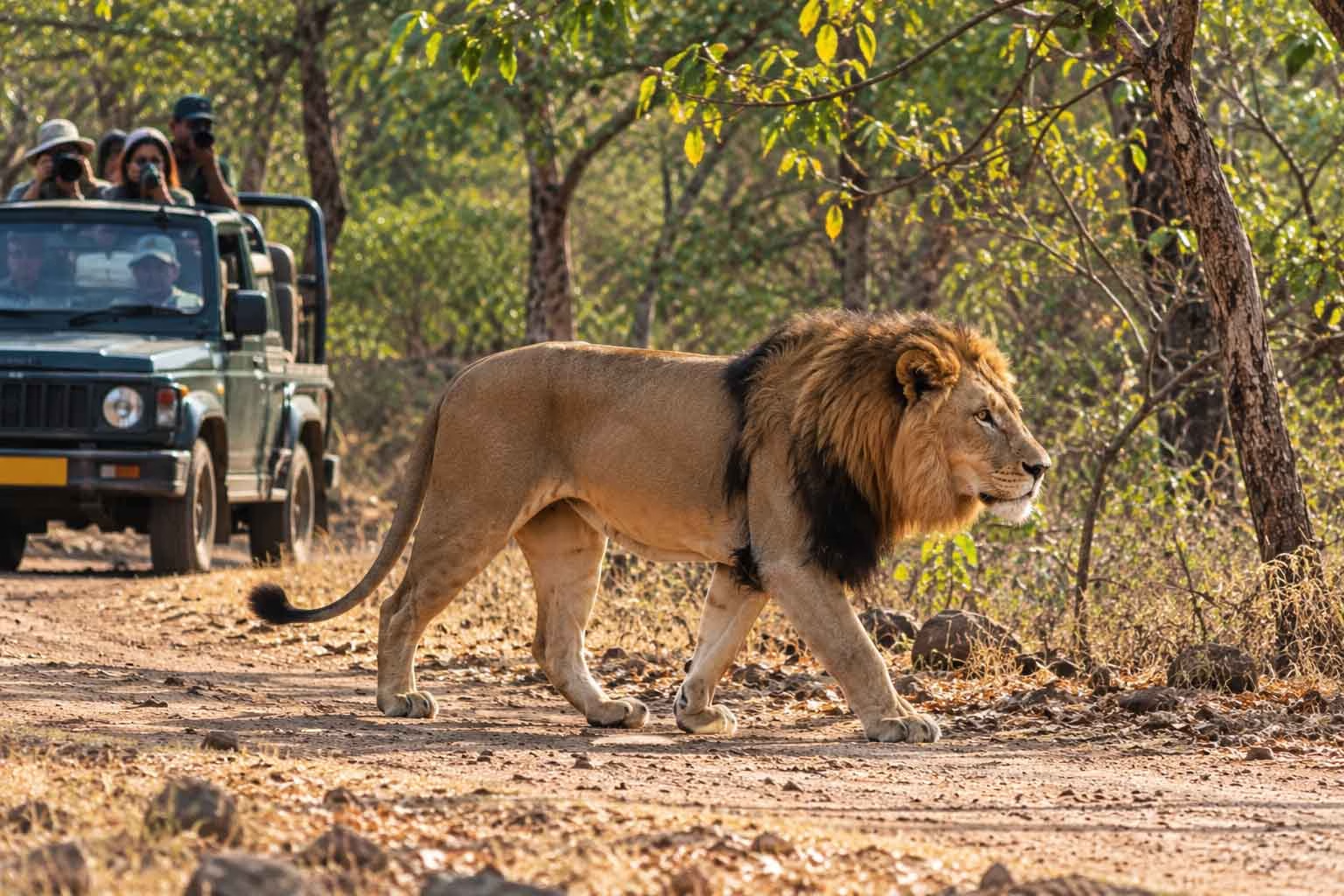
Gir National Park: Inside the Kingdom of the Asiatic Lion
Nestled amidst the deciduous forests of Gujrat, far from the lush wilderness which most people consider to be synonymous with Indian wilderness, lies the Gir National Park. It is located amidst rugged, dusty tracks winding between forest clearings where light breaks through the canopy, and bird song echoes in the air. Today, Gir is known as the last-standing natural habitat of the Asiatic lion. It is a functioning natural ecosystem where humans and wildlife have co-existed for decades. Gir offers travellers a rare chance to witness wild animals thriving in a landscape. This destination rewards curiosity, patience, and a genuine interest in nature.
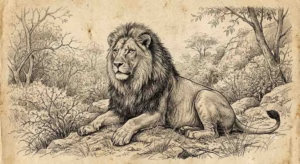
Visits to Gir are defined by golden sunrises, slow drives along forest tracks where every movement in the bushes carry a possibility of a wildlife sighting. Lions crouching under trees, deer sauntering silently along water-bodies, peacocks calling across open clearings, these moments unfold naturally. Beyond wildlife sightings, Gir offers a sense of immersion. The surrounding villages, forest lodges, interpretation zones, and quiet dam backwaters collectively shape an experience that is grounded and meaningful. Whether you are a first-time wildlife traveller, a photographer, or someone seeking a deeper connection with India’s natural heritage, Gir National Park stands out as a destination that is a must-visit.
 From thoughtfully timed forest drives to responsible stays and on-ground expertise, Frontiers Beyond approaches Gir as a living landscape rather than a checklist destination, allowing you to experience the park with depth, care, and clarity.
Things to Do at Gir National Park
- Go on a Guided Jeep Safari Through the Core Forest
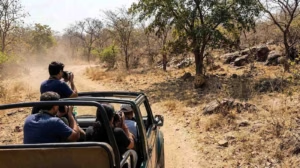
A jeep safari is the highlight of the Gir experience. Safaris operate along fixed routes inside designated forest ranges, allowing visitors to move slowly through teak forests, scrubland, and open grass patches. The controlled pace of the journey gives space to observe animal behaviour in a slow, measured pace. Lions are the park’s most famous residents, but the experience goes beyond spotting a single species. You can spot deer grazing in herds, nilgai standing alert at the forest edge, langurs calling from the treetops, and jackals slipping through tall grass. These sights together create a layered and lush experience of the ecosystem. At Frontiers Beyond, our experienced local guides play an essential role, reading signs such as pugmarks, alarm calls, and movement patterns. Safaris typically run early in the morning and late afternoon, when temperatures are lower and animal activity is higher.
- Visit the Devalia Interpretation Zone for a Structured Wildlife Experience
The Devalia Interpretation Zone offers an informative introduction to Gir’s wildlife. It is spread across an enclosed landscape and allows visitors to see lions, deer, antelope, and other species within a shorter time frame, making it ideal for first-time visitors or families. At Devalia, species identification becomes easier, behaviour patterns clearer. Visitors can see information boards, clearly demarcated areas which improve understanding of the landscape. Devalia remains accessible during periods when the main park may be partially closed due to monsoon conditions. Visiting Devalia before a core safari often enhances appreciation during later drives, as visitors learn how to observe wildlife more patiently and accurately.
- Explore Gir’s Landscape Through Birdwatching
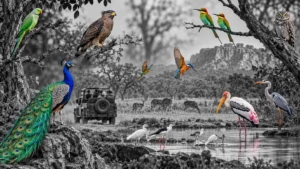
Gir National Park is one of western India’s most underrated bird destinations. The landscape of the region, with its dry forests, grasslands, and seasonal wetlands, supports a variety of native and migratory birds. Early mornings are a welcome sight as you can witness the bird calls echo across the forest and movement is constant. Peacocks, crested serpent eagles, parakeets, owls, and bee-eaters are commonly seen, while water bodies attract storks, herons, and migratory birds depending on the season. Birdwatching in Gir unfolds naturally during safaris, near waterholes, and around forest rest areas. For photography enthusiasts, the combination of open skies and minimalist landscapes provides unique compositions.
- Spend Time Around Kamleshwar Dam and Wetland Areas
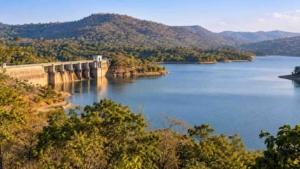
Kamleshwar Dam is one of Gir’s most crucial natural water reservoirs and a vital resource during dry season. Visiting this area offers a change in scenery and pace. You can see marsh crocodiles basking along the banks, sometimes entirely motionless for long periods. The dam also attracts large numbers of birds, making it one of the best locations in the region for observing birds and aquatic species. If you are interested in ecological systems then this experience can be especially rewarding.
- Observe the Human and Wildlife Interaction
Gir is unique for its visible overlap between wildlife habitat and traditional pastoral life. Around the forest periphery, Maldhari communities have coexisted with lions and other wildlife for generations. While visitors do not enter villages as part of tourism, signs of human presence, grazing paths, water sources, cattle movement are part of the landscape. Observing this human-wildlife interaction adds depth to the Gir experience. Lions here are accustomed to moving beyond core forest boundaries, reinforcing the idea that the ecosystem extends well beyond tourist zones. This human dimension transforms Gir from a wildlife park into a living conservation model, rooted in respect, and shared space.
- Practice Wildlife and Landscape Photography
If you are a photography enthusiast then the dry terrain, muted colors, and open spaces of Gir can inspire exceptional environmental shots. Photographers often capture lions resting in shade. Dust, shadows, and minimal backgrounds add a rustic touch to the shots. Even without iconic wildlife, scenes featuring ancient trees, bird silhouettes, or empty forest roads can be striking. Light shifts rapidly during morning and evening safaris, offering opportunities for low-angle illumination and atmospheric frames.
- Learn About Conservation Through Interpretation and Interaction
There are many interpretation centers, and guided tours which shed light on the conservation policies, animal behaviour, and ecosystem challenges. Visitors gain insight into population management, habitat protection, and the role of regulated tourism in sustaining wildlife. These activities help reframe Gir not as a one-time attraction, but as a long-term conservation success built on discipline. Travelers often depart with a renewed and deeper respect for environmental conservation.
Best Time to Visit Gir National Park
- October to March- Visitors can find moderate temperatures, comfortable safari conditions, and consistent wildlife movement. Winter mornings can be cool, but daytime remains pleasant.
- April to May- Summers in Gir can be intense. However, this is when predators are most visible, frequently approaching water sources.
- June to September- The Devalia Interpretation Zone often remains operational. While wildlife sightings may reduce, the forest transforms visually, lush and alive
How to Reach Gir National Park
- By Air-The nearest airports to Gir are Rajkot and Ahmedabad, both are well-connected to major Indian cities. From Ahmedabad, Gir is approximately a seven-hour road journey. Rajkot shortens the drive but offers fewer flight options.
- By Train-Veraval and Junagadh are the most practical railway stations. Both offer taxi connectivity to Sasan Gir, the main gateway village.
- By Road-Road connectivity to Gir is stable and well-maintained. Be careful while driving in the night due to wildlife movement.
Tips for Travelers
- Dress appropriately: Wear breathable fabrics, and sun protection are essential.
- Carry minimal gear: Large camera setups can become cumbersome in open jeeps.
- Respect silence: Loud conversation disrupts wildlife behaviour and diminishes the experience.
- Plan buffers: Forest entry and exit can be time-consuming. Avoid tight scheduling.
- Flexible Timing– Keep buffer time in your plan, as forest entry and exit schedules can shift.
- Quality Over Quantity- Fewer, well-timed safaris are more rewarding than packing in too many drives.
- Carry Essentials Responsibly– Bring water and light snacks, and strictly avoid plastic waste inside the forest.
- Protect Your Gear-Dust is common in Gir, so safeguard cameras and electronics, especially in dry months.
- Limited Network Coverage-Mobile signals are unreliable in and around the forest—plan accordingly.
- Follow Guide Instructions- Forest guides must be obeyed at all times for safety of the visitors.
- Quiet Evenings-Keep nights low-key to stay rested for early morning safaris.
- Responsible Sharing-Avoid live geotagging or real-time posting of wildlife sightings on social media.
Conclusion
Gir National Park is a landscape that functions on its own terms. Wildlife moves without performance, conservation operates without noise, and visitors are asked to adapt rather than consume. What you take away from Gir depends largely on how you arrive. Those willing to observe patiently often leave changed. Gir proves that successful wildlife tourism does not need excess, only clarity, restraint, and respect for ecological limits. In that sense, Gir is not just a destination; it is a reference point for how forests can be protected while still being meaningfully experienced.
Explore Gir with Frontiers Beyond
From meticulously planned safaris and luxurious accommodations to round-the-clock support and seamless logistics, Frontiers Beyond ensures your time in Gir is paced, informed, and ethically grounded. Discover Gir with the perspective it deserves, quietly immersive, well-considered, and deeply memorable.