FRONTIERS BEYOND BLOG
A Cultural Odessey: Discover the Indian Dance Festival At Mamallapuram
Meta Description:
Indian Dance festival at Mamallapuram: Experience classical & folk performances, Shore Temple heritage tours, interactive workshops, local cuisine, and immersive cultural experiences in Tamil Nadu. Plan your visit with expert tips and curated itineraries.
Introduction
Mamallapuram, also known as Mahabalipuram, is a historic coastal town in Tamil Nadu celebrated for its UNESCO World Heritage monuments, intricate rock-cut temples, and centuries-old artistic traditions. Every year, from late December to late January, the town comes alive with Indian Dance festival, showcasing India’s rich classical and folk dance heritage.
Organized by the Tamil Nadu Tourism Department, this month-long festival attracts tourists from across India and the world. With curated itineraries from Frontiers Beyond Tours Pvt Ltd, visitors enjoy mesmerizing evening performances, interactive workshops, guided heritage walks, and immersive cultural experiences combining history, art, and music. Whether you are a first-time visitor or a cultural enthusiast, the Mamallapuram Dance Festival provides a deep insight into India’s living performing arts.
This guide covers everything you need to know-classical & folk dance performances, workshops, heritage tours, local cuisine, travel tips, best time to visit, and how to reach Mamallapuram.
The Historical Roots of Dance Festivals at Mamallapuram
Mamallapuram’s cultural prominence dates back to the Pallava dynasty (7th–8th century CE). As a major port city, it connected South India to Sri Lanka, Southeast Asia, and China, facilitating maritime trade and cultural exchange. These interactions influenced local architecture, sculpture, and performing arts, making the town a cradle of Indian artistic traditions.
Shore Temple and Pancha Rathas
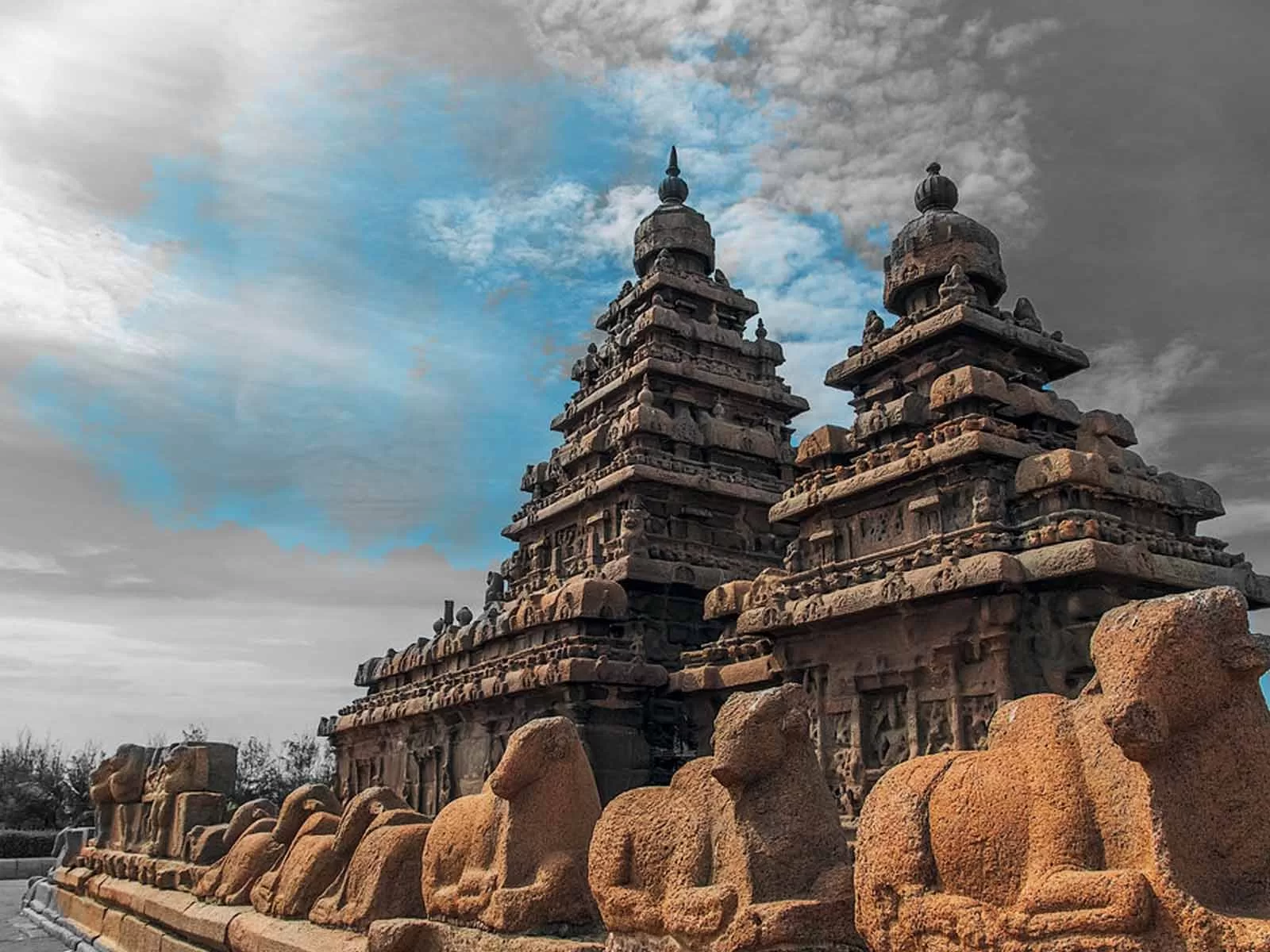
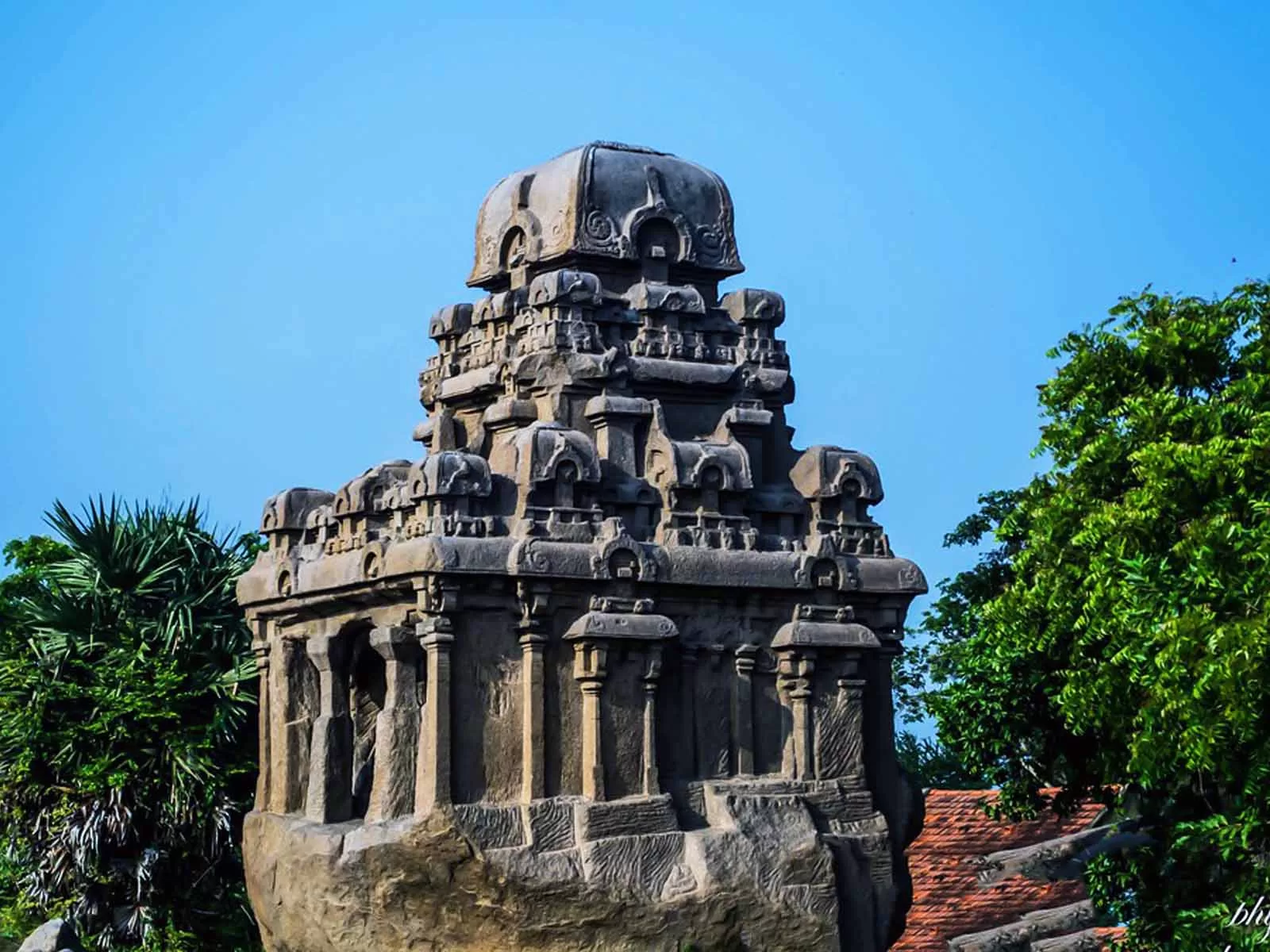
During the reign of King Narasimhavarman II, the Shore Temple and Pancha Rathas were constructed. The Shore Temple, carved entirely from granite, stands as an iconic symbol of Pallava architectural mastery. The Pancha Rathas—five monolithic chariots named after Mahabharata heroes Draupadi, Arjuna, Bhima, Yudhishthira, and Nakula-Sahadeva—serve as enduring testaments to India’s ancient art and mythology. Over centuries, these monuments became symbolic stages for cultural performances.
UNESCO Recognition
In 1984, UNESCO recognized the Group of Monuments at Mamallapuram as a World Heritage Site, acknowledging their universal cultural and architectural value. Inspired by this heritage, the Tamil Nadu Tourism Department launched the Mamallapuram Dance Festival in 1992. Its mission: unite India’s classical dance traditions while showcasing regional costumes, musical systems, and mythological storytelling. The festival embodies the Indian aesthetic principle of “Natya as Yajna”-treating art as a sacred offering, bridging centuries of creativity with modern audiences.
Things to Do at the Dance Festivals at Mamallapuram
- Classical Dance Performances: An Evening of Elegance
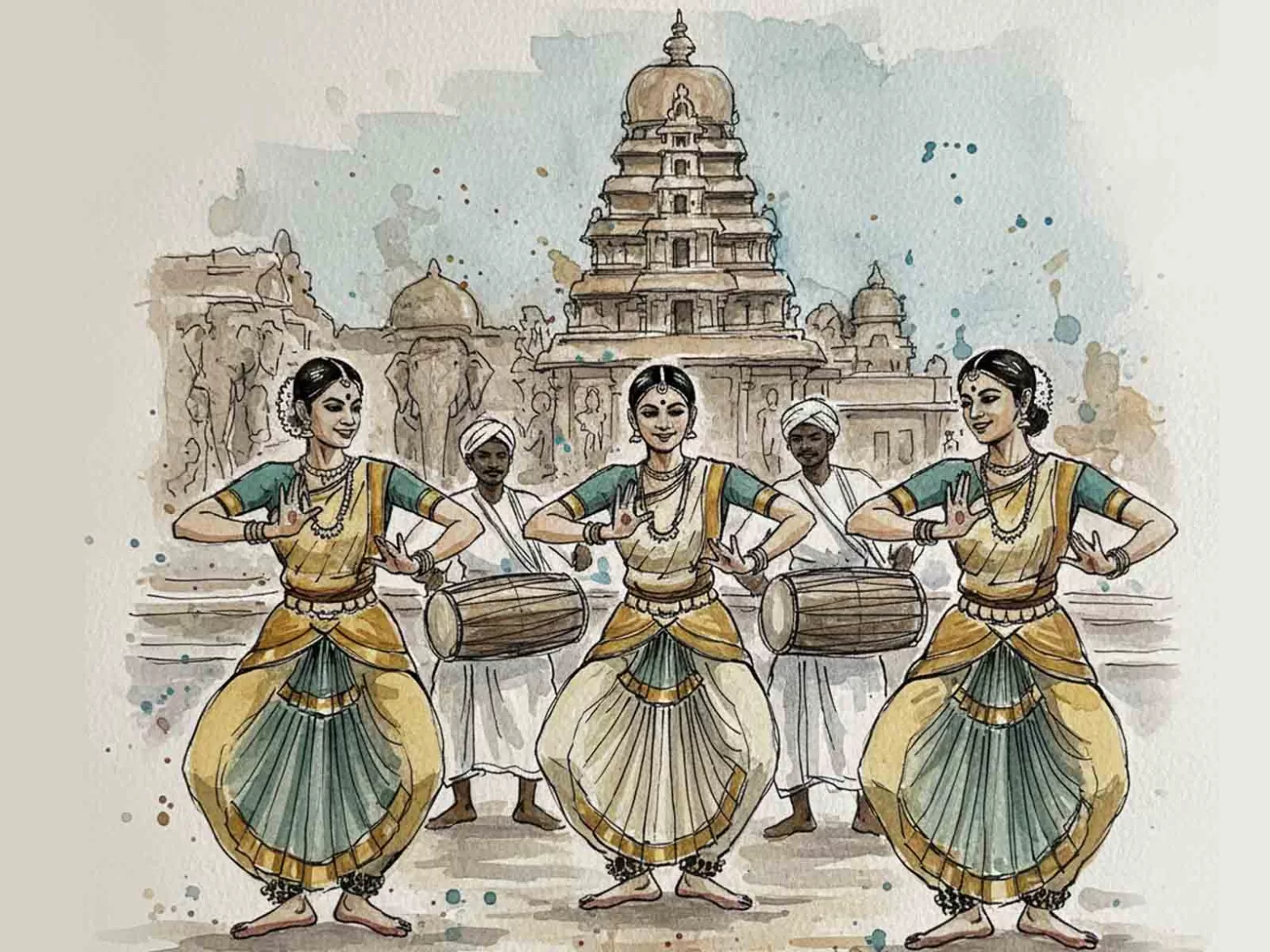
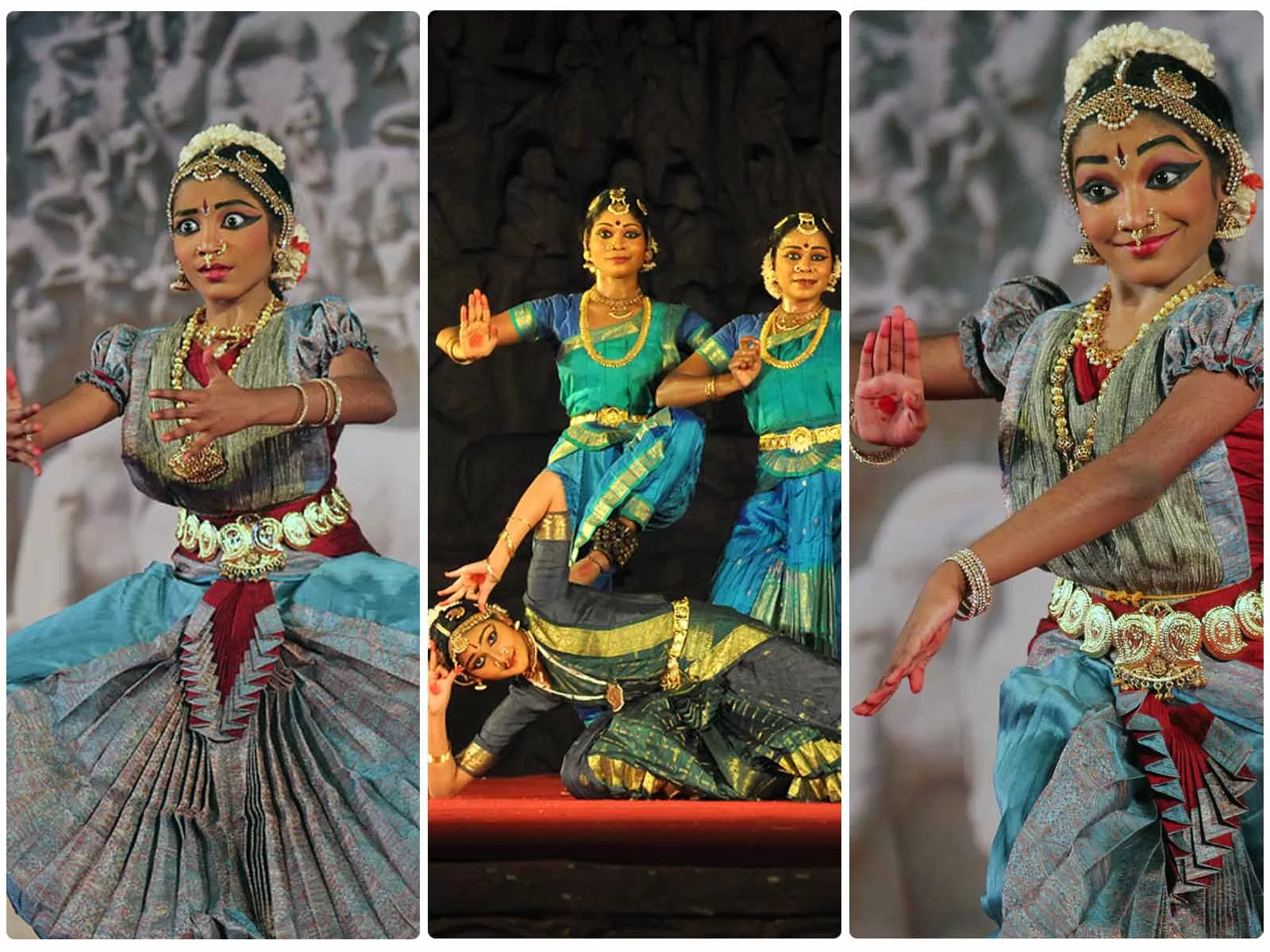
Festival evenings are dedicated to classical dance performances held at open-air stages near the Shore Temple and Pancha Rathas. The combination of dance, live music, and heritage monuments creates an unmatched cultural experience.
Dance Forms Featured:
- Bharatanatyam – Tamil Nadu’s classical dance with intricate footwork and expressive storytelling.
- Kathak – North Indian classical dance with spins, rhythmic footwork, and narrative gestures.
- Odissi – Graceful dance from Odisha emphasizing fluid torso movements.
- Kuchipudi – Andhra Pradesh’s classical dance blending drama, rhythm, and storytelling.
- Kathakali – Kerala’s dramatic performance with elaborate makeup and gestures.
- Mohiniyattam – Kerala’s graceful dance emphasizing feminine movements.
Performance Details:
- Timing: 6 PM – 9 PM
- Music: Live Carnatic accompaniment (vocals, mridangam, veena, flute, and nattuvangam).
- Experience: Intricate mudras, expressive gestures, and rhythmic footwork create a mesmerizing visual and auditory spectacle in a heritage setting.
- Folk and Regional Dance Traditions
The festival highlights India’s vibrant folk heritage, showcasing athleticism, storytelling, and visual spectacle.
Karagam (Tamil Nadu) –
Devotional dance honoring deities like Mariamman or Murugan. Dancers balance clay or brass pots on their heads while performing spins, precise footwork, and acrobatics. Accompanied by thavil and dhol drums.
Kavadi Attam –
Ritualistic dance offering to Lord Murugan during festivals like Thaipusam. Dancers carry decorated wooden or bamboo structures (Kavadi) and perform acrobatic steps.
Mayilattam (Peacock Dance) –
Dancers wear feathered costumes, imitating the bird’s movements, spins, and jumps, emphasizing elegance and group synchronization.
Puliattam (Tiger Dance) –
Depicts agility and fierceness. Dancers paint tiger stripes and perform acrobatic leaps, narrating local myths.
Kokkili Kattai Attam (Stick Dance) –
Group dance striking sticks in perfect coordination with percussive beats. Bright attire and ankle bells enhance the performance.
Folk Music & Live Performances-Live percussion ensembles, wind instruments like nadaswaram and flutes, and vocal storytelling complement the dances. Performances can be standalone or synchronized with dances like Karagam and Puliattam.
- Workshops and Interactive Experiences
The Mamallapuram Dance Festival offers hands-on learning:
- Dance Workshops: Beginners and enthusiasts learn classical and folk techniques.
- Lecture-Demonstrations: Explore mudras, gestures, rhythms, and costume symbolism.
- Q&A Sessions: Artists share insights on creative processes, regional influences, and mythology.
- Heritage Walks and Monument Exploration
Combine performances with guided tours of Mamallapuram’s monuments:
- Shore Temple: Iconic granite temple on the coast.
- Pancha Rathas: Five monolithic chariots carved from stone.
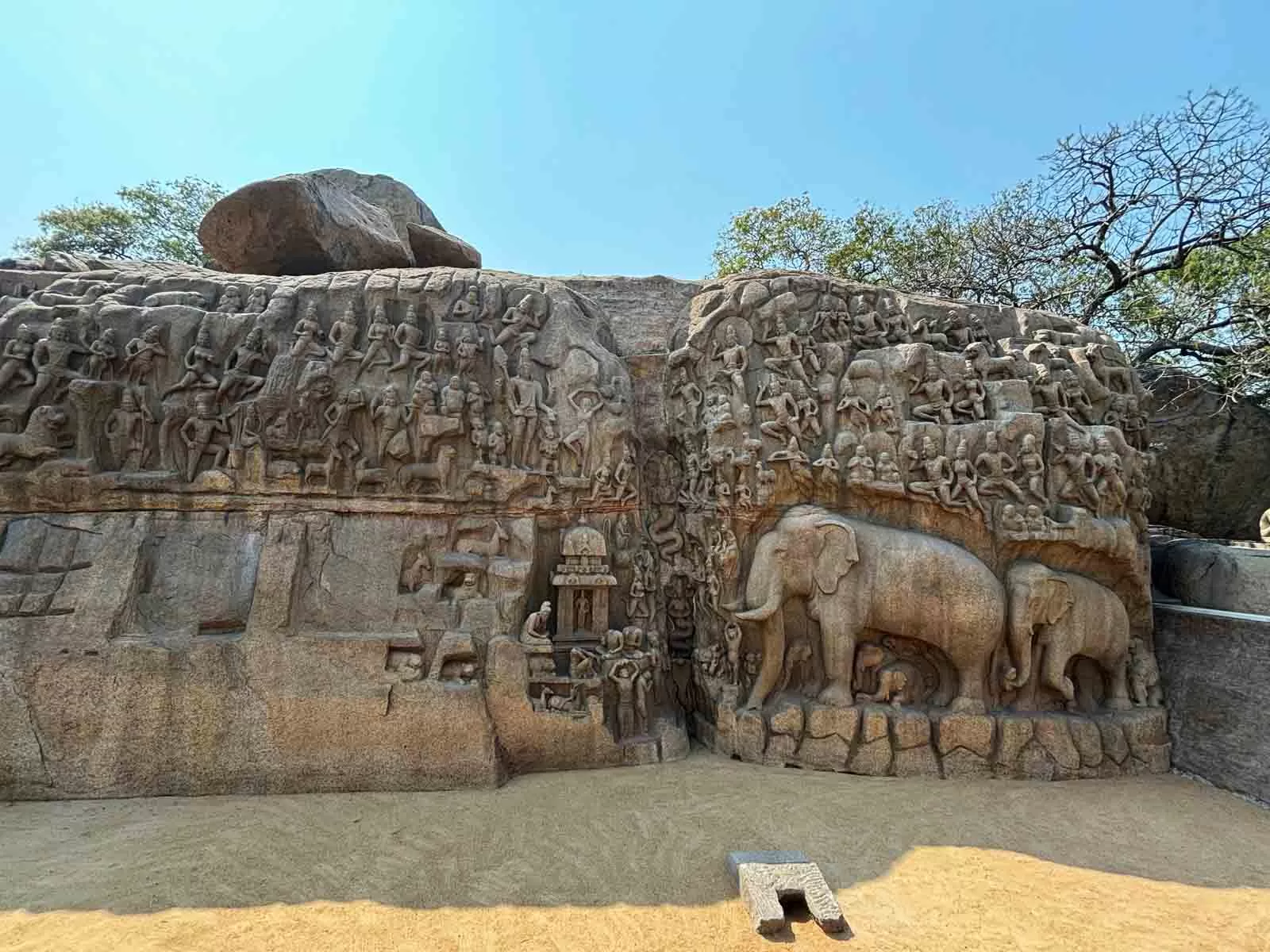
- Arjuna’s Penance: Bas-relief depicting epic tales.
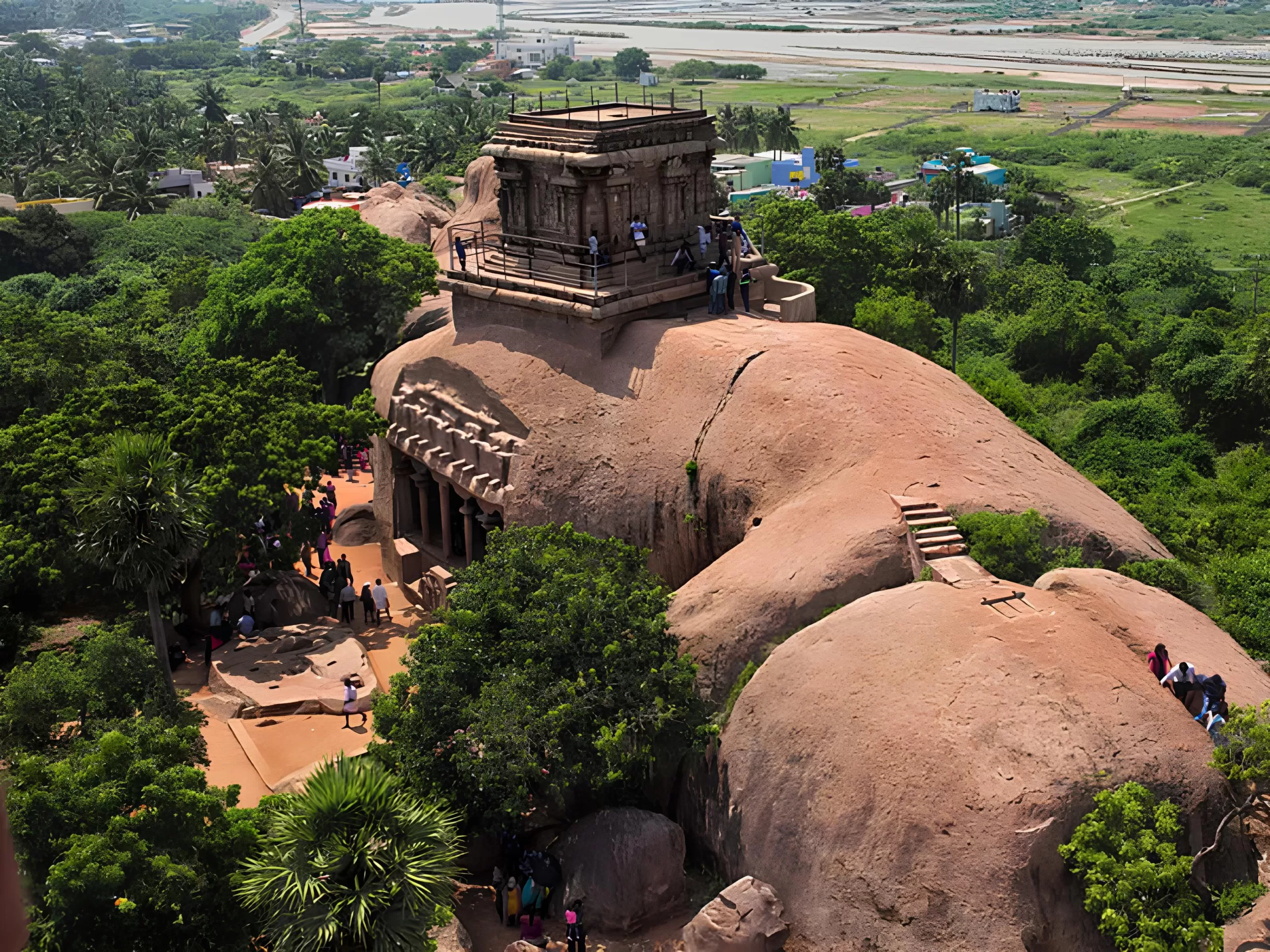
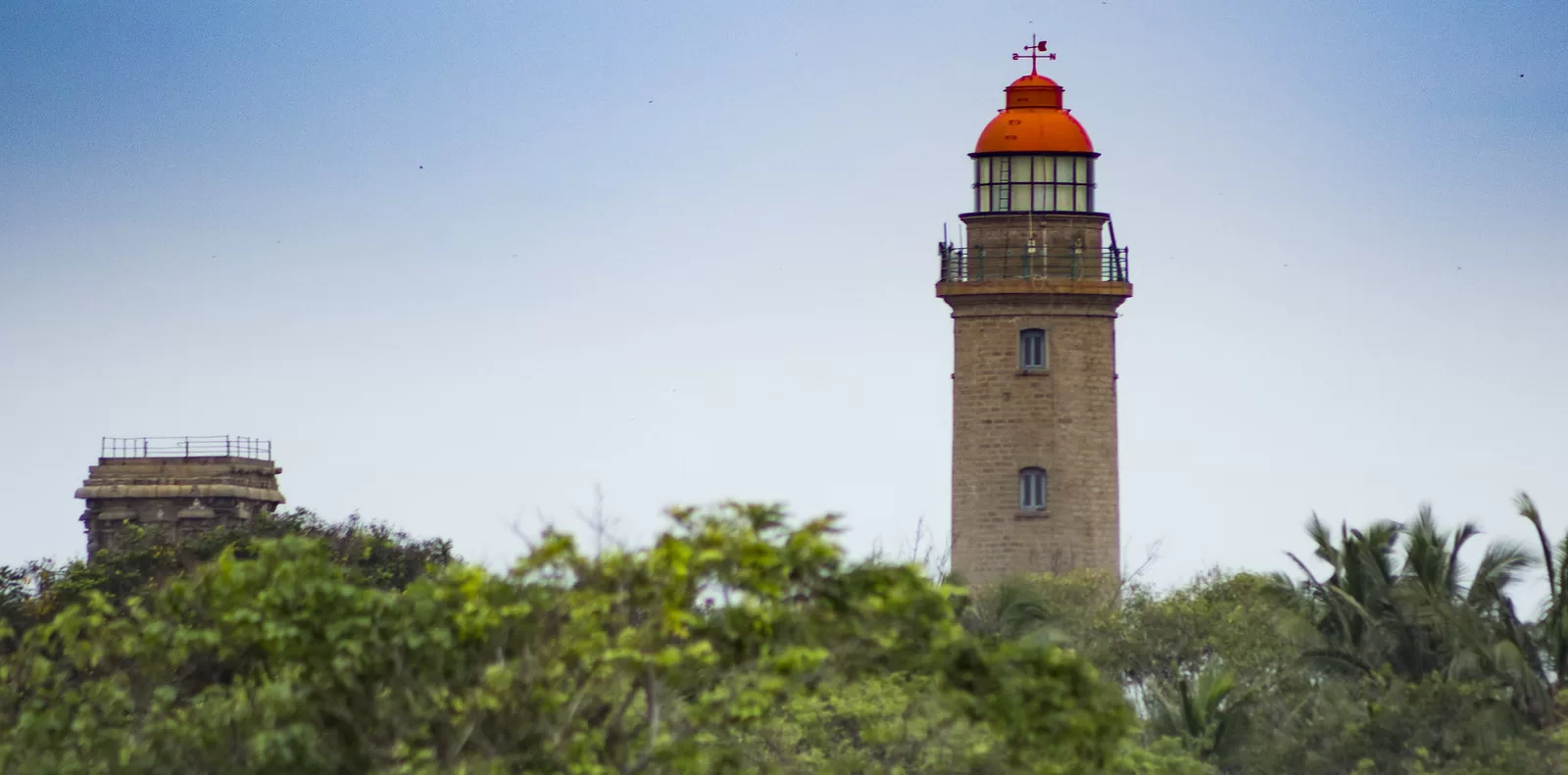
- Mamallapuram Lighthouse: Panoramic views of the coastline.
- Local Villages: Experience traditional crafts, markets, and daily life.
- Local Cuisine and Culinary Experiences
Mamallapuram’s cuisine offers a rich coastal culinary journey:
- Seafood: Fish curries, prawns, crab with local spices.
- Vegetarian Specialties: Sambar, rasam, coconut chutney, and traditional snacks.
- Street Food: Murukku, sundal, and sweets like adhirasam.
Explore local markets to taste authentic Tamil flavors while supporting regional vendors.
Best Time to Visit the Dance Festivals at Mamallapuram
Choosing the right season enhances your experience:
- Festival Season (Late December – Late January)
- Peak festival performances and workshops.
- Pleasant coastal temperatures (24°C–30°C).
- Book accommodations and festival passes in advance.
- October – March: Ideal for Sightseeing
- Heritage walks, village explorations, lighthouse visits, beach walks.
- Carry a light jacket; wear comfortable shoes.
- Monsoon Season (June – September)
- Heavy rains may disrupt outdoor performances.
- Best for indoor cultural studies or off-season discounted travel.
- April – May: Pre-Festival Heat
- Hot summer temperatures (35°C–40°C) can be uncomfortable.
- Early morning visits manageable for heritage exploration.
Travel Tips for a Memorable Festival Visit
- Book Accommodations Early – Festival season attracts large crowds.
- Dress Comfortably – Light shawl for evenings; shoes suitable for uneven surfaces.
- Arrive Early – Get the best seats for popular performances.
- Stay Hydrated – Coastal humidity can be high.
- Respect the Venue – Maintain silence; avoid mobile phone usage.
- Explore Beyond the Festival – Visit monuments, villages, and local markets.
- Plan Your Itinerary – Combine evening performances, workshops, and monument tours.
How to Reach Mamallapuram
- By Air: Chennai International Airport (40 km). Taxis/cabs available.
- By Train: Chengalpattu and Chennai stations connect to major cities.
- By Road: East Coast Road links Mamallapuram to Chennai, Pondicherry, and nearby towns.
- By Car/Taxi: Ideal for exploring heritage sites and the coastline comfortably.
Frequently Asked Questions (FAQ)
Q1: When is the Mamallapuram Dance Festival held?
A: Late December to late January each year.
Q2: Which dance forms are showcased?
A: Bharatanatyam, Kathak, Odissi, Kuchipudi, Kathakali, Mohiniyattam, Karagam, Mayilattam, Puliattam, and Kokkili Kattai Attam.
Q3: Are workshops included for visitors?
A: Yes, interactive workshops, lecture-demonstrations, and Q&A sessions are available.
Q4: How long should I stay to enjoy the festival?
A: Minimum 2–3 days; 4–5 days for full cultural immersion.
Q5: Can families attend the festival?
A: Yes, it is family-friendly.
Q6: Are tickets required for performances?
A: Most events are free; premium seating or workshops may require booking.
Q7: What other attractions can I explore nearby?
A: Shore Temple, Pancha Rathas, Lighthouse, Arjuna’s Penance, local village markets, nearby beaches.
Q8: How can I plan my festival itinerary?
A: Frontiers Beyond Tours offers curated tours combining performances, workshops, and heritage walks for an immersive experience.
Experience the Dance Festivals at Mamallapuram with Frontiers Beyond
From classical performances to folk dances, workshops, culinary delights, and heritage walks, the Dance festivals at Mamallapuram provide a cultural immersion like no other. Curated tours from Frontiers Beyond Tours Pvt Ltd ensure insider access to both performances and monuments, offering a seamless and enriching travel experience. Book your tickets for the Dance festivals at Mamallapuram now and experience Tamil Nadu’s vibrant rhythms, timeless artistry, and living traditions firsthand!