FRONTIERS BEYOND BLOG
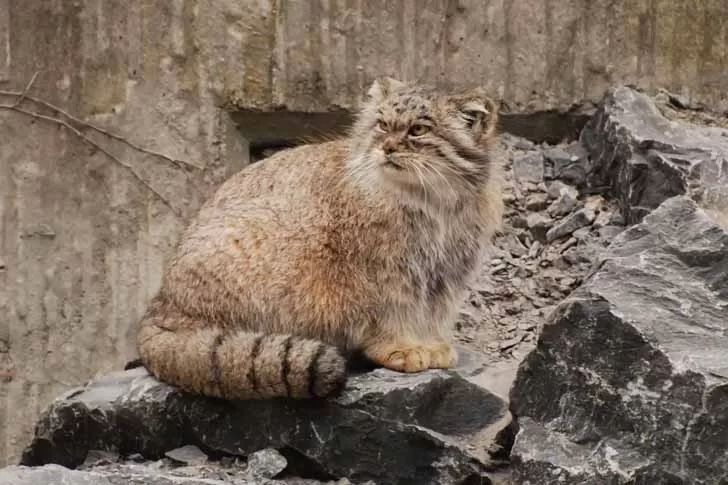
Pallas Cat- The Chubby Feline of The Himalayas
Nestled deep within the crevices of the Himalayan peaks lives an animal so rare that biologists and wildlife enthusiasts consider its sighting the wildlife equivalent of winning a million- dollar lottery. Meet the elusive Pallas cat of the Himalayas. Its features resemble a chubby child with its round and flattened face and a perpetually grumpy expression. But don’t be fooled by its devilishly cute charm, the Pallas cat is a seasoned predator with the capability to withstand the unforgiving sub-zero temperatures of the Himalayas.
At Frontiers Beyond, we believe that the true charm of travel is rooted in uncovering stories that few others are aware of. The Pallas cat in India is a rare wildlife gem, a creature hidden in plain sight, inhabiting remote landscapes, yet tied to our own cultural and ecological heritage in intriguing ways.
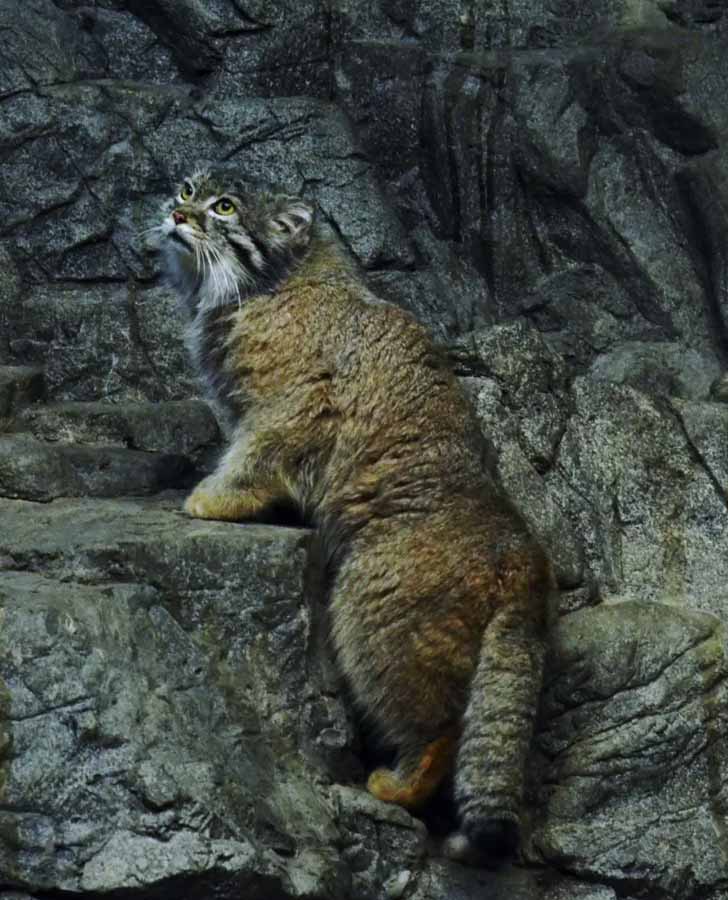
Pallas Cat- A Rare Wild Cat Breed in India
When people talk about India’s wildlife cat population, they usually picture the majestic Bengal tiger or the Asiatic lion, or perhaps the snow leopard. Few realize that India is also home to the Pallas’s cat (Otocolobus manul). It is a small wild feline mainly found in the high-altitude regions of Ladakh and few parts of eastern Jammu & Kashmir.
For a long time, naturalists and wildlife experts believed that the Pallas cat is found only in Central Asia. However, the locals and nomadic herders in the Ladakh region had been narrating about the sightings of a round-faced cat for decades, yet their claims were dismissed. Then, camera traps set up for snow leopard research accidentally revealed images of the Pallas’s cat prowling around the cold desert. Since then, several sightings have been recorded, confirming that this enigmatic animal is a crucial part of India’s high-altitude ecosystem.
Home of the Pallas Cat
In India, the Pallas’s cat is found almost exclusively in Ladakh’s cold desert, which forms part of the Trans-Himalayan region. It is seasoned to adapt to the extreme climate of this region where the temperatures during the winter season can plunge as low as –20°C. The feline is skilled in camouflage and usually inhabits this terrain as it is full of boulders, cliffs, and valleys.
The Pallas cat thrives at an altitude of above 3,500 meters. Its thick fur protects itself against the harsh cold. Unlike the snow leopard, which is a more mobile predator, the Pallas’s cat is a stealthy animal, it lies waiting near the habitat of the pika, darting swiftly to catch its prey.

Behaviour: The Secret Life of a Mountain Cat
The Pallas cat is mostly fond of a solitary existence. It is seen in pairs only during the mating season. Its prey consists mainly of pikas, marmots, and small rodents, though it also hunts birds. The pika, in particular, is a crucial species of the Ladakh landscape, and the survival of the Pallas’s cat is closely dependent on the pika populations.
Unlike snow leopards, which cover wide ranges, the Pallas’s cat is more sedentary. It often restricts itself to familiar hunting locations. It mostly hunts during dawn and dusk.
Conservation Status in India
Globally, the Pallas’s cat is classified as animal of Least Concern by the IUCN. But in India, its status is concerning and precarious. It is already vulnerable due to its scarce population density. The species is listed under Schedule I of the Indian Wildlife Protection Act which considers it as vulnerable as tigers and snow leopards.
Some of the challenges it faces in Ladakh include:
1. Challenges pertaining to Habitat- Construction of roads, military movement and expansion of tourism has put its habitat in the high-altitude valleys in jeopardy.
2. Decline in prey- There has been a rise in poisoning campaigns against Pika as many consider it a threat to the crops.
3. Retaliatory killings- The Pallas cat is often killed by people as a means of preserving their livestock as it is mistaken as a threat.
4. Climate change- Depleting snowfall and change in vegetation patterns has led to a decline the availability of prey for the Pallas cat.
A Visual Treat for Wildlife Enthusiasts
Catching a sight of the Pallas’s cat in India is considered a stroke of good luck. Unlike safaris in central India where tiger sightings can be relatively frequent, an encounter with this cat requires endurance the guidance of experienced naturalists.
Wildlife expeditions in Ladakh, often focused on snow leopards, sometimes lead to the sightings of this animal. The snow-leopard tours have brought increasing attention to the Pallas cat. With the experienced naturalists at Frontiers Beyond, sighting the Pallas cat will not be a tough nut to crack, our experienced local team has expertise in navigating the rugged and tricky terrain of the Himalayas.
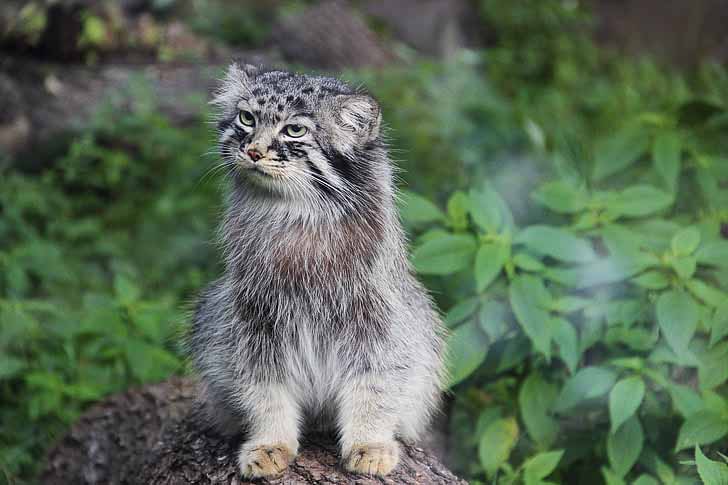
Research and Conservation Efforts
It is essential for people to be aware of the precarious nature of the Pallas cat’s existence in India. In recent years, institutions like the Wildlife Institute of India and independent organisations have begun to study the Pallas’s cat. Images from Changthang Wildlife Sanctuary and Hemis National Park have confirmed its presence, though sightings remain rare.
International organizations like Panthera have also helped in creating awareness about its existence and highlight the need to include other relatively smaller animals in conservation priorities. While snow leopards often dominate the attention of conservationists, it is important to realize that species like the Pallas’s cat are equally vital indicators of the multi-faceted ecosystem of the Himalayas and deserve equal importance.
How Travelers Can Support
There is growing awareness among the authorities that sustainable tourism efforts can play a role in its conservation. Travelers to Ladakh who are drawn by the idea of seeing the Pallas’s cat, or simply knowing it inhabits the land they explore can contribute to its survival in meaningful ways:
1. Support local communities: Consider staying in local homestays, buying local crafts, and engaging respectfully with herders and animal rearing families. It builds goodwill and reduces pressure on wildlife.
2. Avoid disturbance: Never chase or pressure wildlife for photographs. The Pallas’s cat is particularly sensitive to human presence.
3. Raise awareness: Sharing stories about the existence of the cat in India helps in bringing the animal into the spotlight for conservation efforts.
Venture into the home of the Pallas with Frontiers Beyond
As the cold winds sweep across Ladakh’s high valleys, the Pallas’s cat continues to prowl silently in the Himalayas. Travelling to Ladakh is an experience that is not limited to glimpsing surreal landscapes. Whether or not you are lucky enough to see the Pallas’s cat, just knowing that it exists adds a thrill to your journey.
At Frontiers Beyond Pvt Ltd, we invite you to explore this magic with us. Come to Ladakh not just for the snow leopard or the monasteries, but for the possibility of meeting the steppe’s most mysterious feline. Because in the end, the greatest travel stories are the ones few others can tell.